Where we work
From Rwanda to South Sudan
Local realities. Shared threat. Collective action.
Antimicrobial resistance is global, but its impact is experienced locally. The reasons people use medicines, access healthcare, prevent infections and respond to illness are shaped by their communities, health systems, economic realities, environment and access to information.
Rwanda
Building community awareness and prevention.
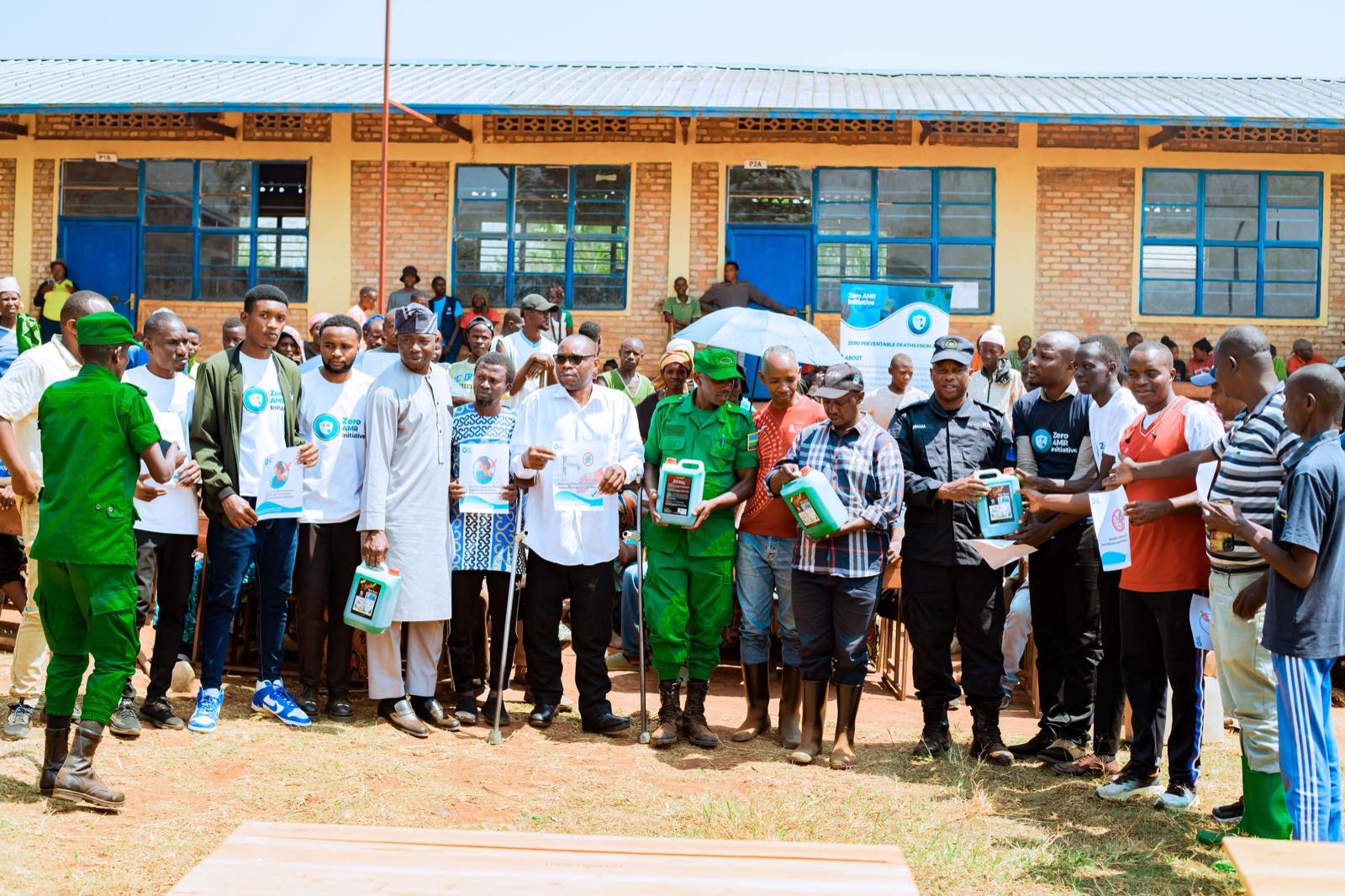
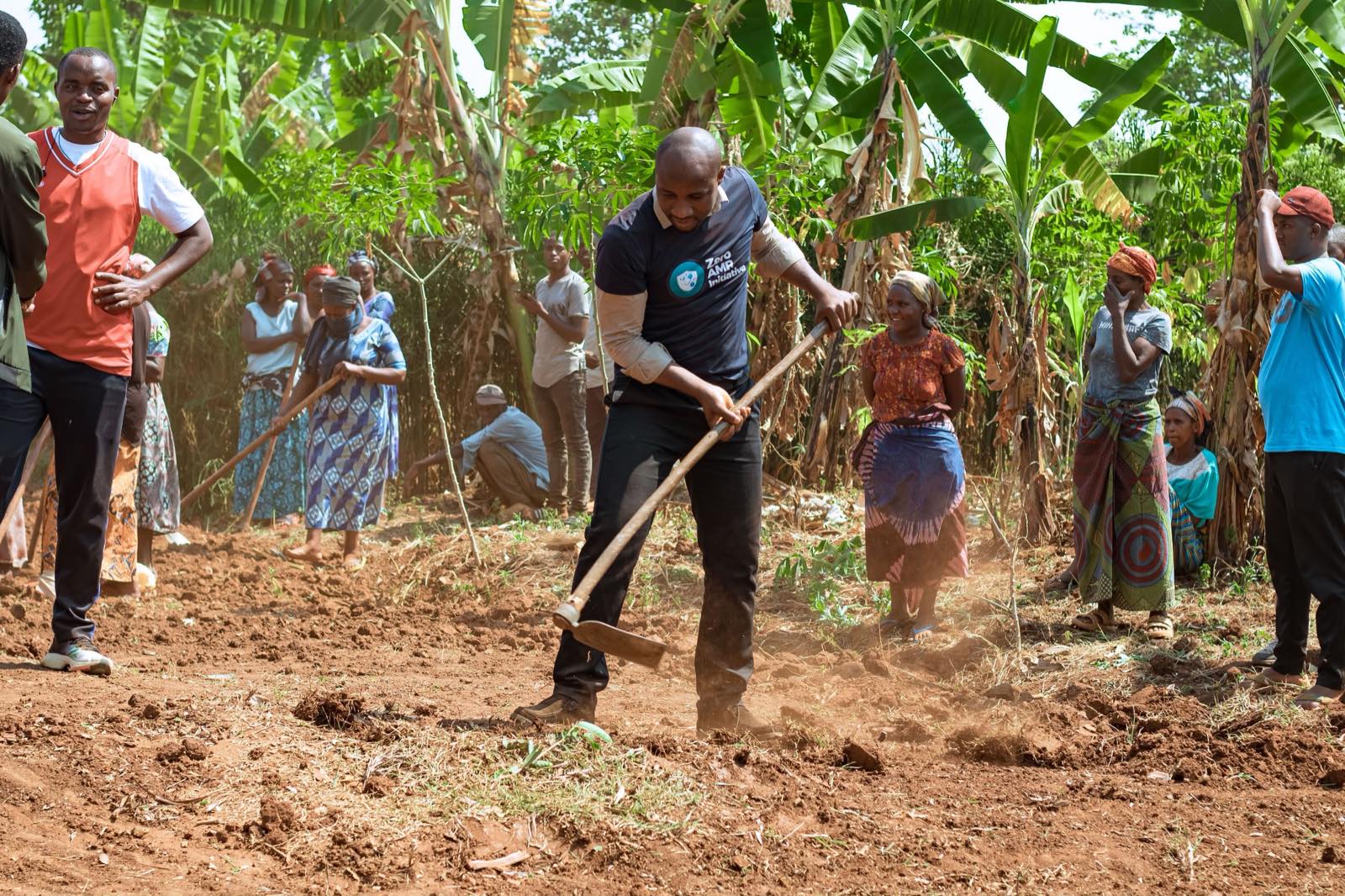
Our work includes community engagement, school and university outreach, Community Circles, WASH and infection prevention activities, youth participation, digital education and advocacy.
Featured community work in Huye, Rwanda: community engagement bringing together young people and community members to discuss antimicrobial resistance, infection prevention, WASH and healthier practices.
South Sudan
Bringing the AMR conversation closer to communities.
Zero AMR Initiative responds to the realities of communities where access to qualified healthcare, medicines and reliable health information can be challenging.
- AMR awareness
- Responsible antimicrobial use
- Community health education
- Youth engagement
- Infection prevention
- Community dialogue
- Health literacy
- One Health perspectives
Photograph to be added
A photograph of community engagement in South Sudan.
Why two countries?
Rwanda and South Sudan have different contexts and health system realities. We do not assume that one solution fits every community. We listen to local experiences, learn from communities, and adapt action to context.
Two countries. One commitment. Protecting communities. Preventing infections. Safeguarding antimicrobials. Strengthening health systems. Building a healthier future.