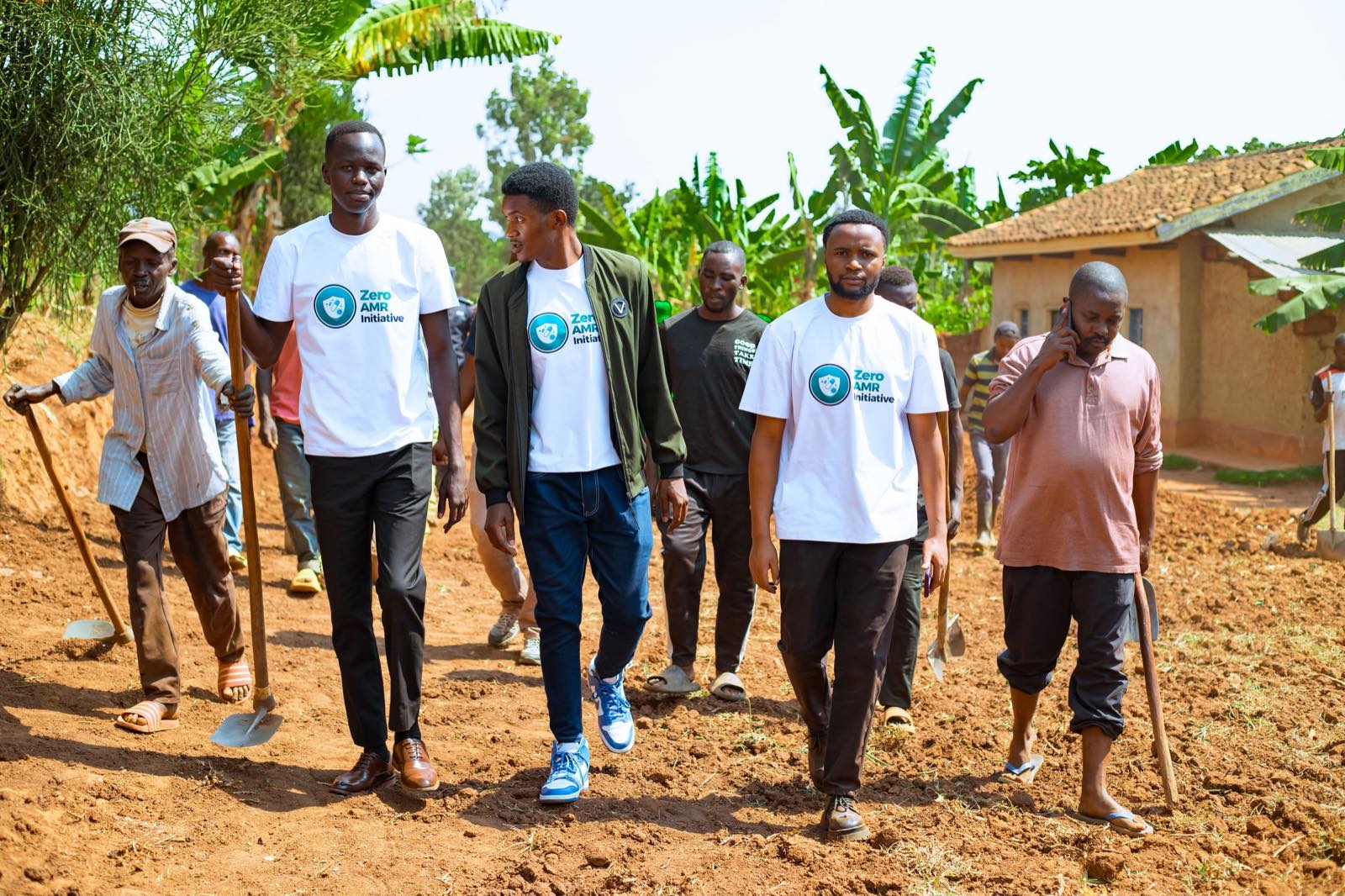
Youth led, community centred public health
What happens when the medicine stops working?
Antimicrobial resistance is making infections harder to prevent and treat. It threatens routine healthcare, maternal and newborn health, surgery, cancer care, food systems, economies, and health security.
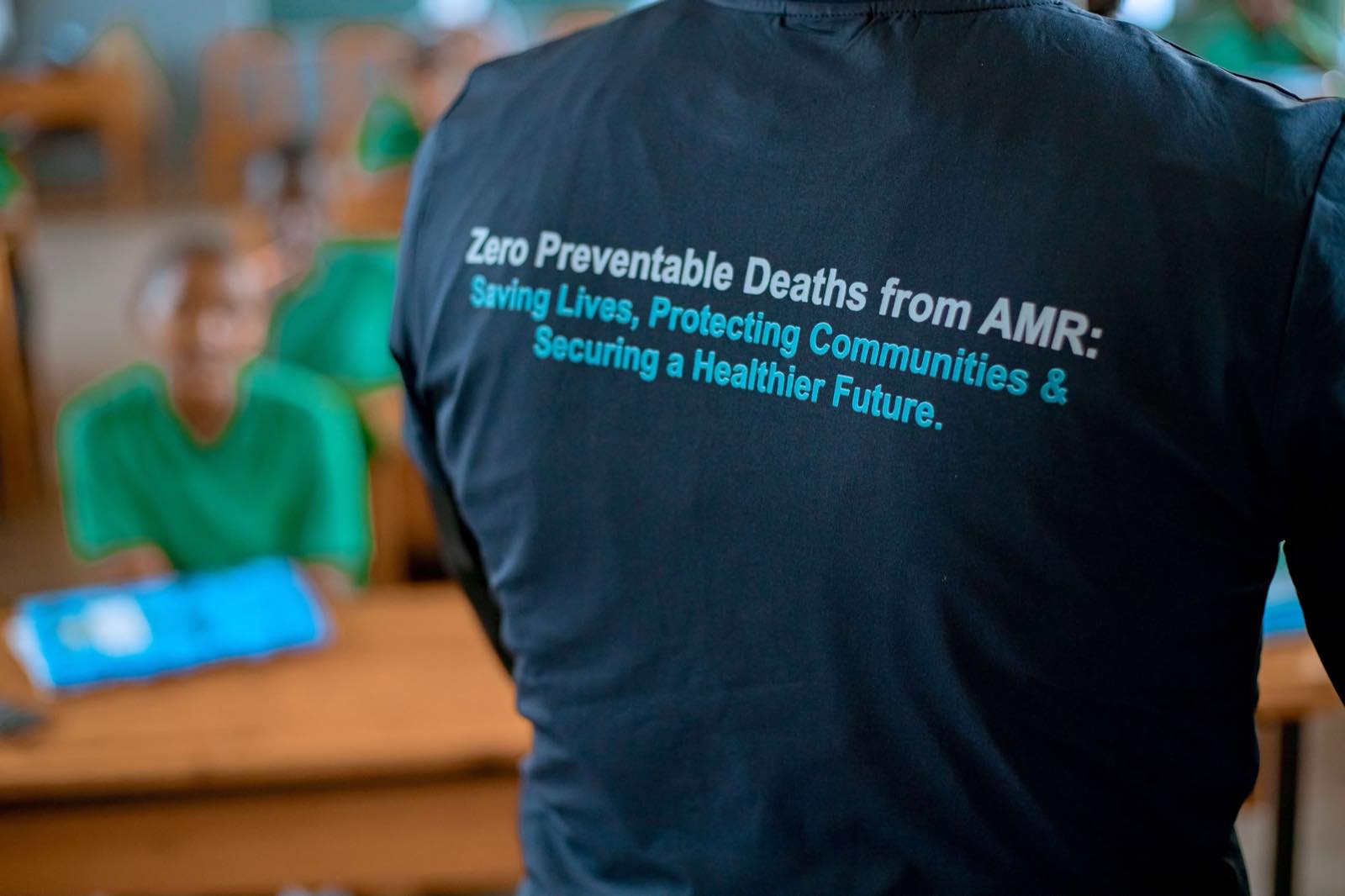
Zero Preventable Deaths from AMR: Saving Lives, Protecting Communities, and Securing a Healthier Future.
Zero AMR Initiative works with communities, young people, health professionals, institutions, and partners in Rwanda and South Sudan to prevent antimicrobial resistance before it becomes an even greater threat.
AMR in Simple Terms
AMR in simple terms
Antimicrobial resistance happens when microorganisms like bacteria, viruses, fungi, and parasites change over time and become less responsive to the medicines used to treat them. This makes infections harder to treat, increases illness and hospital stays, raises healthcare costs, and contributes to preventable deaths.
Microorganisms adapt
Bacteria, viruses, fungi and parasites change over time and become less responsive to medicines.
Infections become harder to treat
Illness lasts longer, hospital stays increase, and healthcare costs rise across communities.
It goes beyond antibiotics
AMR affects medicines used to treat bacterial, viral, fungal and parasitic infections.
Why AMR matters
Antimicrobial resistance can threaten:
- Maternal health
- Newborn health
- Surgery
- Cancer care
- Routine healthcare
- Infection treatment
- Food security
- Health systems
- Household finances
- National economies
- Environmental health
The question is not only
What happens when medicines stop working?
It is
What can we do before they stop working?
The AMR Threat at a Glance
The AMR threat at a glance
AMR is already affecting communities today. It is not a distant future problem.
- 1.27 million plus
- Deaths directly attributable to bacterial AMR globally in 2019Millions more deaths were associated with it. AMR is already affecting communities today.The Lancet, 2022(opens in a new tab)
- 10 million
- Deaths per year projected by 2050 without stronger actionEarlier global modelling of what happens if resistance continues on its current path.The O'Neill Review on Antimicrobial Resistance, 2016(opens in a new tab)
- 412 billion USD
- Projected annual treatment cost for resistant bacterial infections by 2035Under current levels of action, the economic burden compounds alongside the human one.World Health Organization, 2025(opens in a new tab)
Why Zero AMR?
We believe prevention starts before infection becomes difficult to treat.
We do not only talk about AMR. We work with people and communities to understand the problem, identify practical solutions, and turn knowledge into action.
Prevention
Knowledge
Safer decisions
Community action
Evidence
Systems
Policy
Impact
Our approach connects Prevention to Knowledge to Safer decisions to Community action to Evidence to Systems to Policy to Impact.
About the initiative
A community centred response to a global threat
Zero AMR Initiative is a youth led, community centred public health initiative. We believe AMR cannot be solved by hospitals, laboratories, or policymakers alone. Communities must be part of the response.
Our work connects public health knowledge with lived experience. We engage young people, students, schools, communities, healthcare professionals, institutions, and partners to understand local challenges and develop practical responses.
Purpose
Reduce the spread and impact of AMR by addressing the factors that drive resistance.
Mission
Reduce AMR through education, prevention, stewardship, WASH, One Health and advocacy.
Vision
A world with zero preventable deaths from AMR, where informed communities protect health.
Our values
- Impact
- Inclusion and Equity
- Community
- Youth Leadership
- Evidence
- Collaboration
- Integrity
- Innovation
- Accountability
Our Areas of Work
Our areas of work
Antimicrobial resistance is a complex problem requiring interconnected solutions.
- 01
AMR Awareness and Education
Making AMR understandable. Making action possible.
We translate complex scientific information into clear, practical, accessible messages for communities, students, patients, families and young people, addressing misconceptions about antibiotics and promoting informed health seeking behaviour.
- 02
Antimicrobial Stewardship
Protecting the medicines that protect us.
Using antimicrobials appropriately, responsibly and only when needed. This addresses self medication, unnecessary use, sharing medicines, and the use of antibiotics for viral illness.
- 03
Infection Prevention and Control
The best infection to treat is the one we prevent.
Preventing infections and their spread reduces the need for antimicrobials. This includes hand hygiene, environmental hygiene, safe care practices, vaccination awareness and safe waste practices.
- 04
WASH
Clean water, safe sanitation and good hygiene are AMR prevention.
WASH is fundamental to preventing infectious disease and limiting the spread of resistant organisms. This includes handwashing, safe water, sanitation, hygiene education and school WASH awareness.
- 05
One Health
One Health. One connected response.
Resistance can emerge and spread across humans, animals, food systems, plants and the environment. A coordinated response recognises the connections between them.
- 06
Environmental Health and Climate Action
The environment is part of the AMR solution.
Pollution, wastewater, pharmaceutical residues, healthcare waste and agricultural activity create pathways for resistant organisms to enter and circulate in the environment.
- 07
Community Action and Youth Participatory Action Research
Young people are knowledge producers and problem solvers.
Our Youth Participatory Action Research approach places young people at the centre of identifying challenges, generating community evidence, interpreting findings and designing action.
- 08
Research, Evidence and Innovation
Turning questions into evidence and evidence into action.
Community informed data collection, knowledge assessments, behavioural insights and youth led research, because evidence should help communities and decision makers act.
- 09
Policy, Advocacy and Systems Change
Systems determine whether change lasts.
We use community experience and evidence to support informed advocacy on responsible antimicrobial use, access to quality healthcare, IPC, WASH, environmental protection and One Health policy.
- 10
School and University Engagement
Building the next generation of AMR champions.
AMR health clubs, peer education, debates, talks, campaigns, creative communication and innovation challenges.
- 11
Digital and Media Outreach
Taking AMR information where people are.
Infographics, short videos, storytelling, social media campaigns, messaging and radio engagement, to make accurate AMR information accessible and actionable.
Where we work
Local realities. Shared threat. Collective action.
Antimicrobial resistance is global, but its impact is experienced locally. Zero AMR Initiative works across Rwanda and South Sudan to bring AMR education and prevention closer to the people affected.
Rwanda
Rwanda
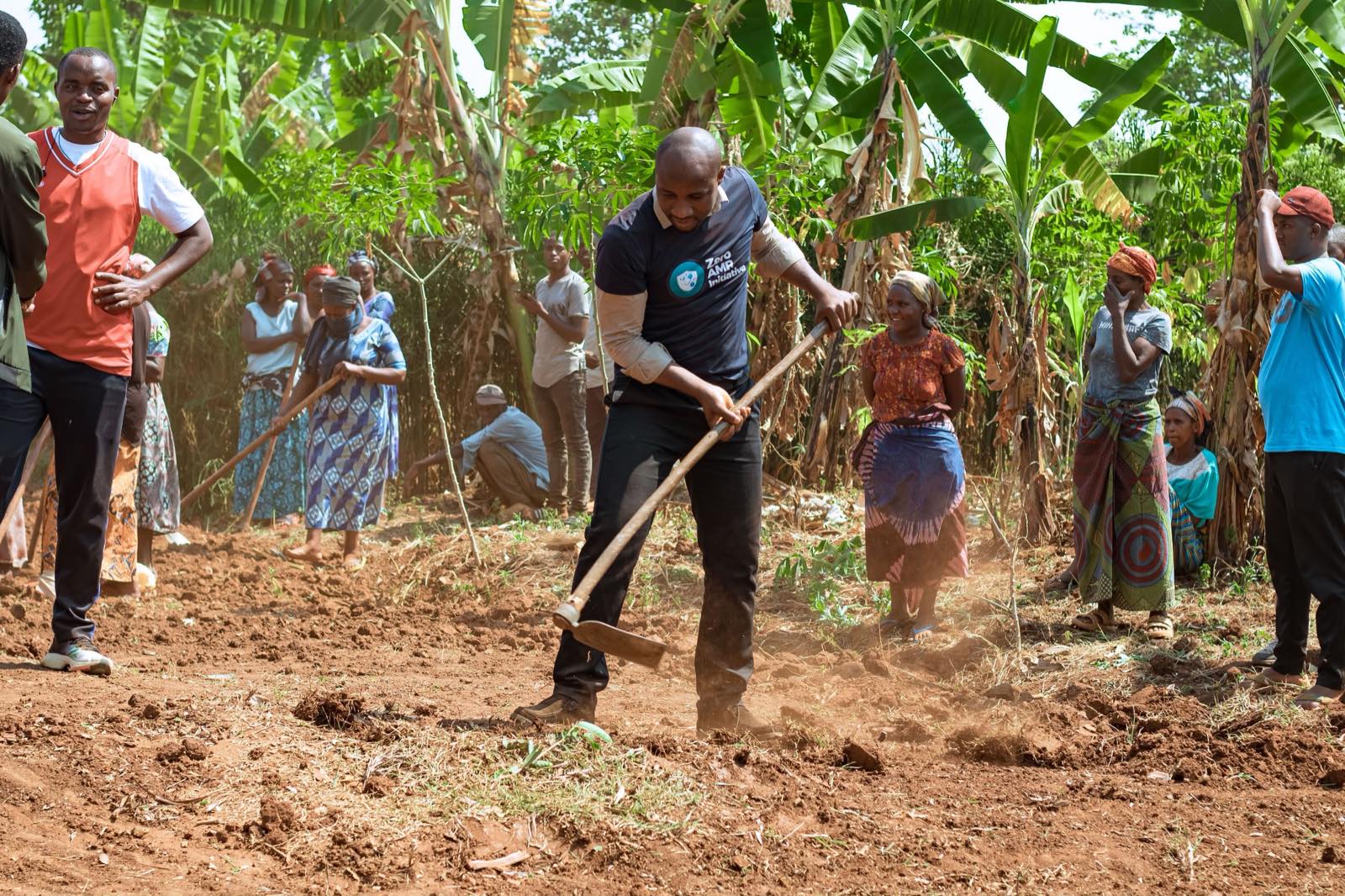
Community engagement, school and university outreach, and Community Circles, bringing young people together in Huye to discuss better health practices.
South Sudan
South Sudan
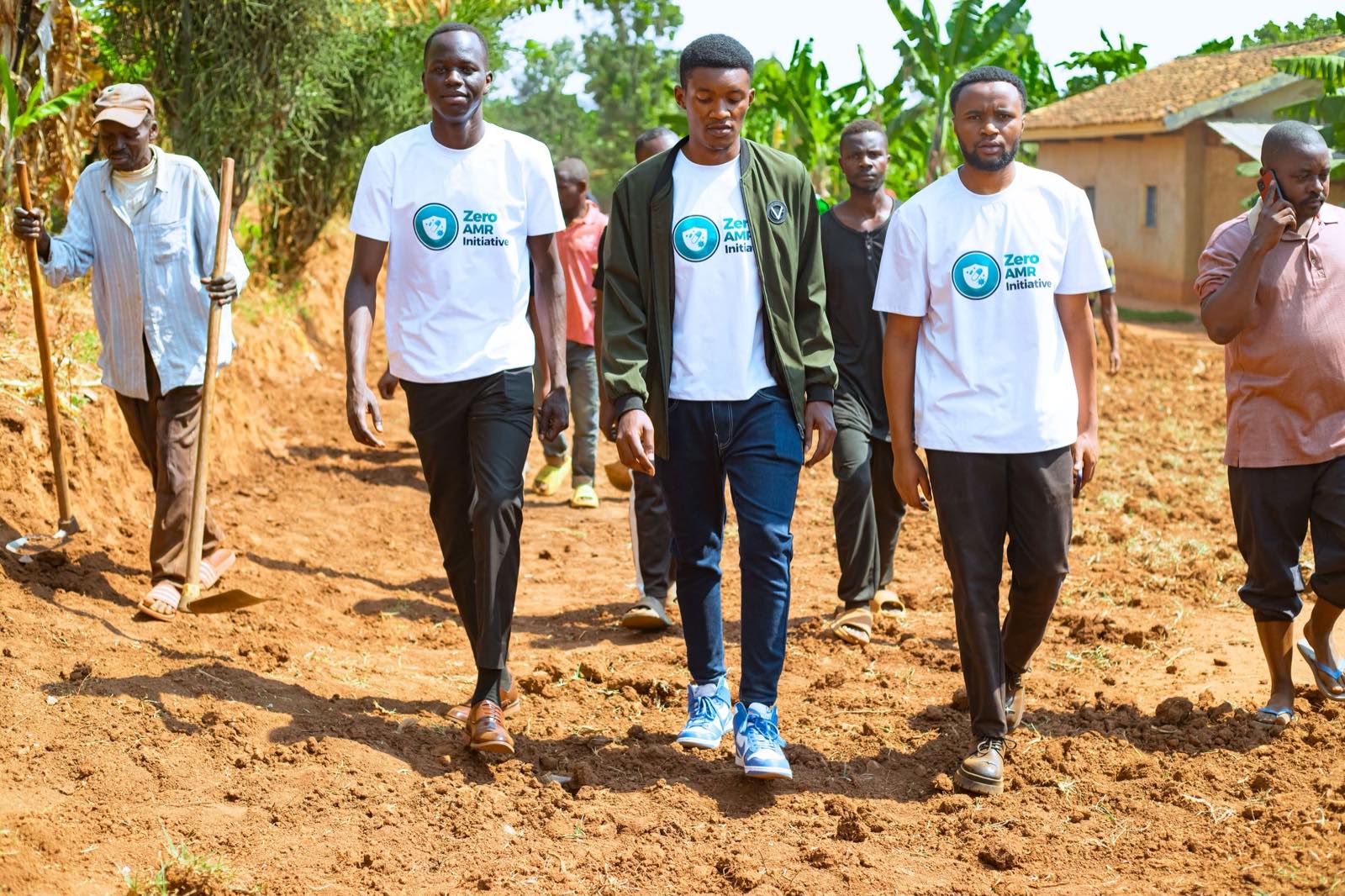
Responding to the realities of communities where access to qualified healthcare and reliable health information can be challenging, focusing on responsible antimicrobial use and health literacy.
We do not assume one solution fits every community. We listen to local experiences and adapt action to context.
Rwanda and South SudanOur actions
Where communities become part of the solution
Our Community Circles are participatory spaces where young people and community members discuss antimicrobial resistance, infection prevention, medicine use, WASH, and the realities that shape health decisions.
- Listen
- Learn
- Discuss
- Co-create
- Act
We explore questions that matter
- Why do people self medicate?
- Why are antibiotics shared within families?
- What prevents people from seeking professional care?
- What misconceptions exist about antibiotics?
- How do medicine access and cost shape decisions?
- How do WASH conditions affect infection prevention?
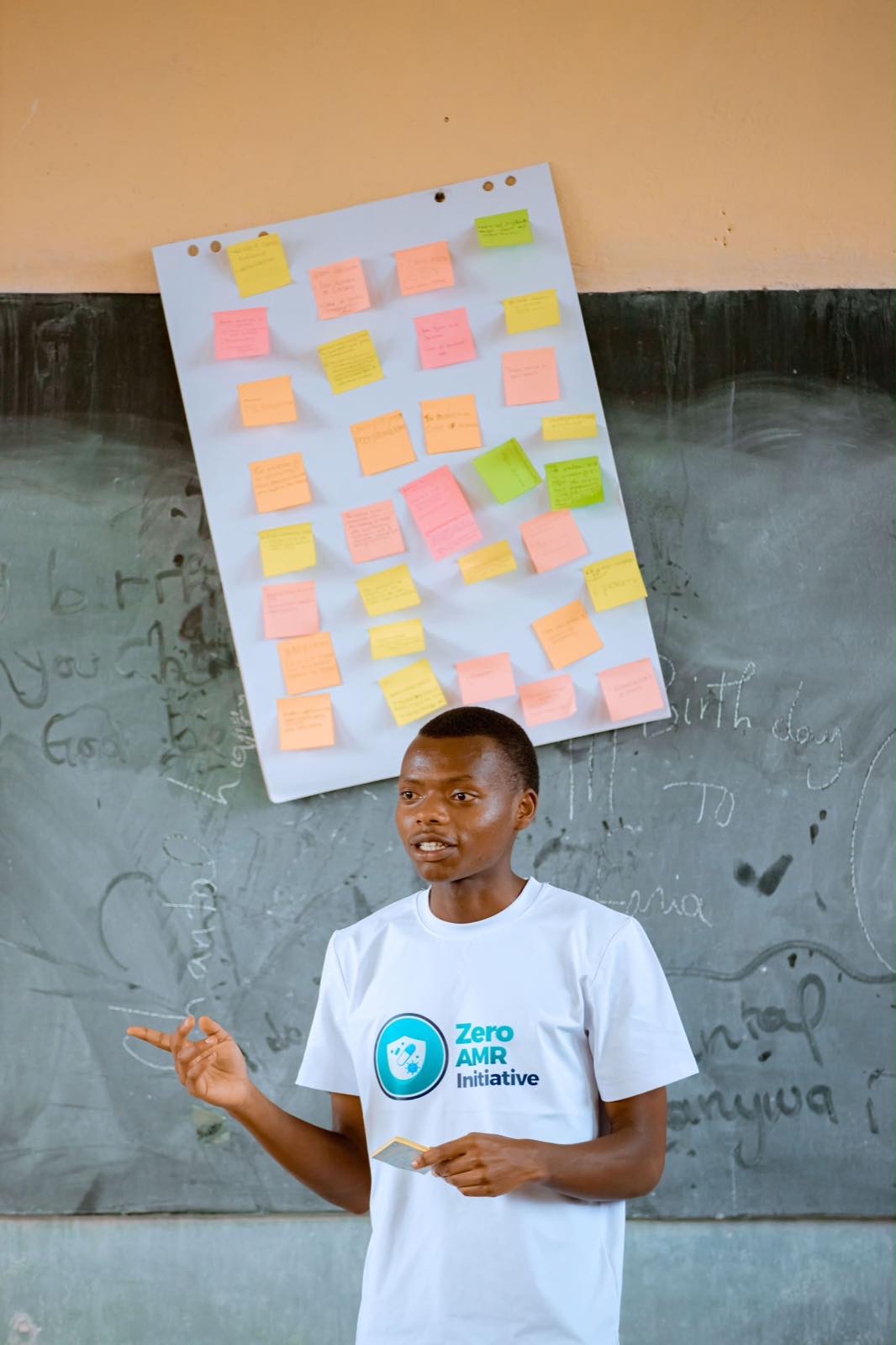
Measuring Our Impact
From awareness to action
We measure impact not only by how many people attend an activity, but by what changes after the conversation.
- People engaged across Rwanda and South Sudan
- 500 plusPeople engaged across Rwanda and South Sudan
- Countries of operation, Rwanda and South Sudan
- Two countriesCountries of operation, Rwanda and South Sudan
- Interconnected areas of work
- 11 areas of workInterconnected areas of work
Knowledge
Whether community members understand antimicrobial resistance and how to prevent it.
Behaviour
Whether that knowledge becomes safer medicine use and stronger hygiene practice.
Youth leadership
Whether young people are actively shaping and leading the solutions, not only receiving them.
Health system trust
Whether communities feel confident seeking professional care when they need it.
We measure success by whether knowledge becomes action, whether action becomes healthier behaviour, and whether healthier behaviour contributes to stronger communities.
What changed?
- Did knowledge improve?
- Did behaviour change?
- Did communities identify solutions?
- Did prevention practices improve?
- Did partnerships strengthen?
- Did community voices influence action?
Stories from the Field
Stories help people understand why action matters
- Community Health
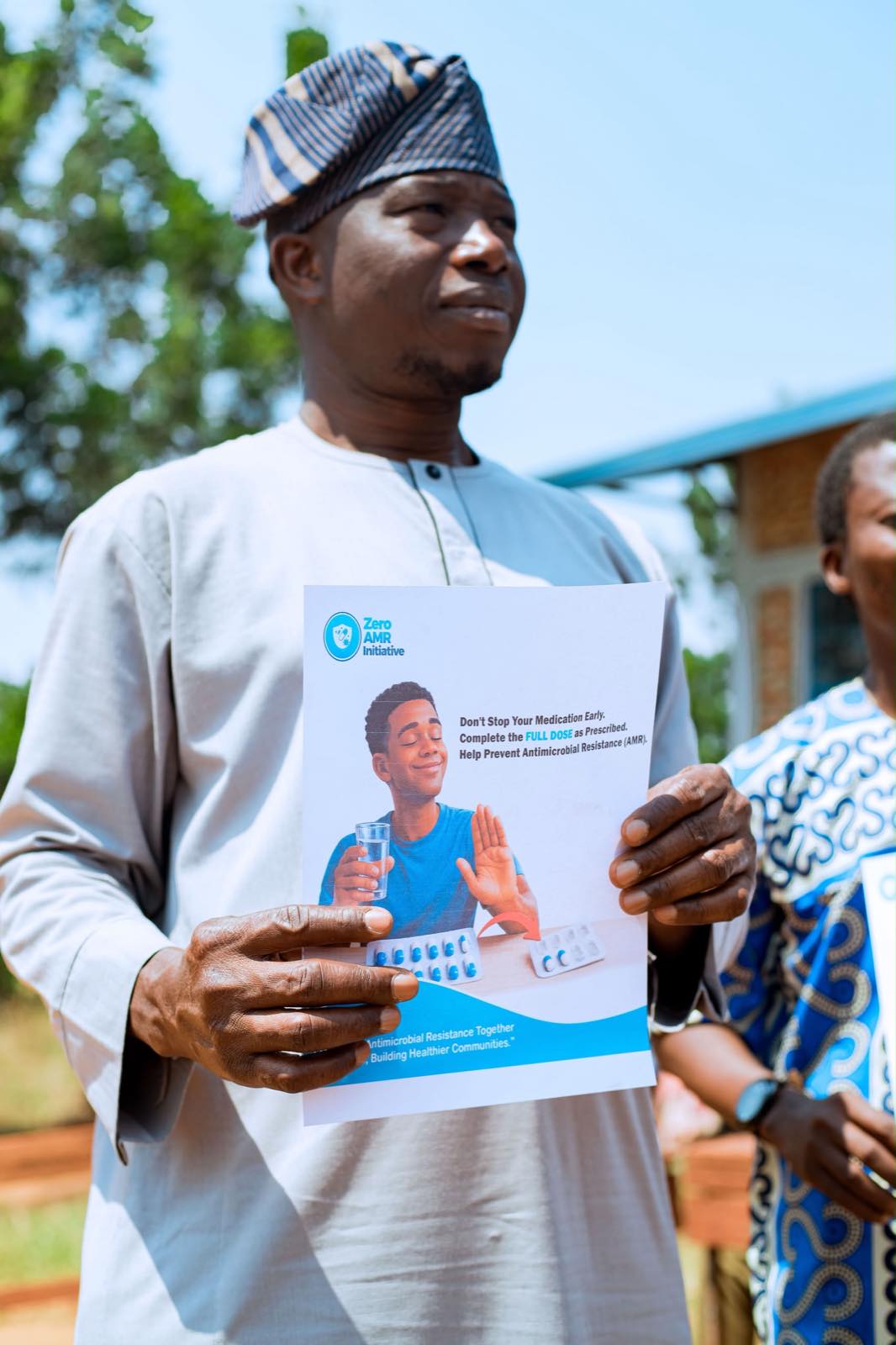
Behind every statistic is a person
A patient. A parent. A child. A healthcare worker. AMR can sound like a technical issue, but behind every technical term is a human reality.
Read story - WASH
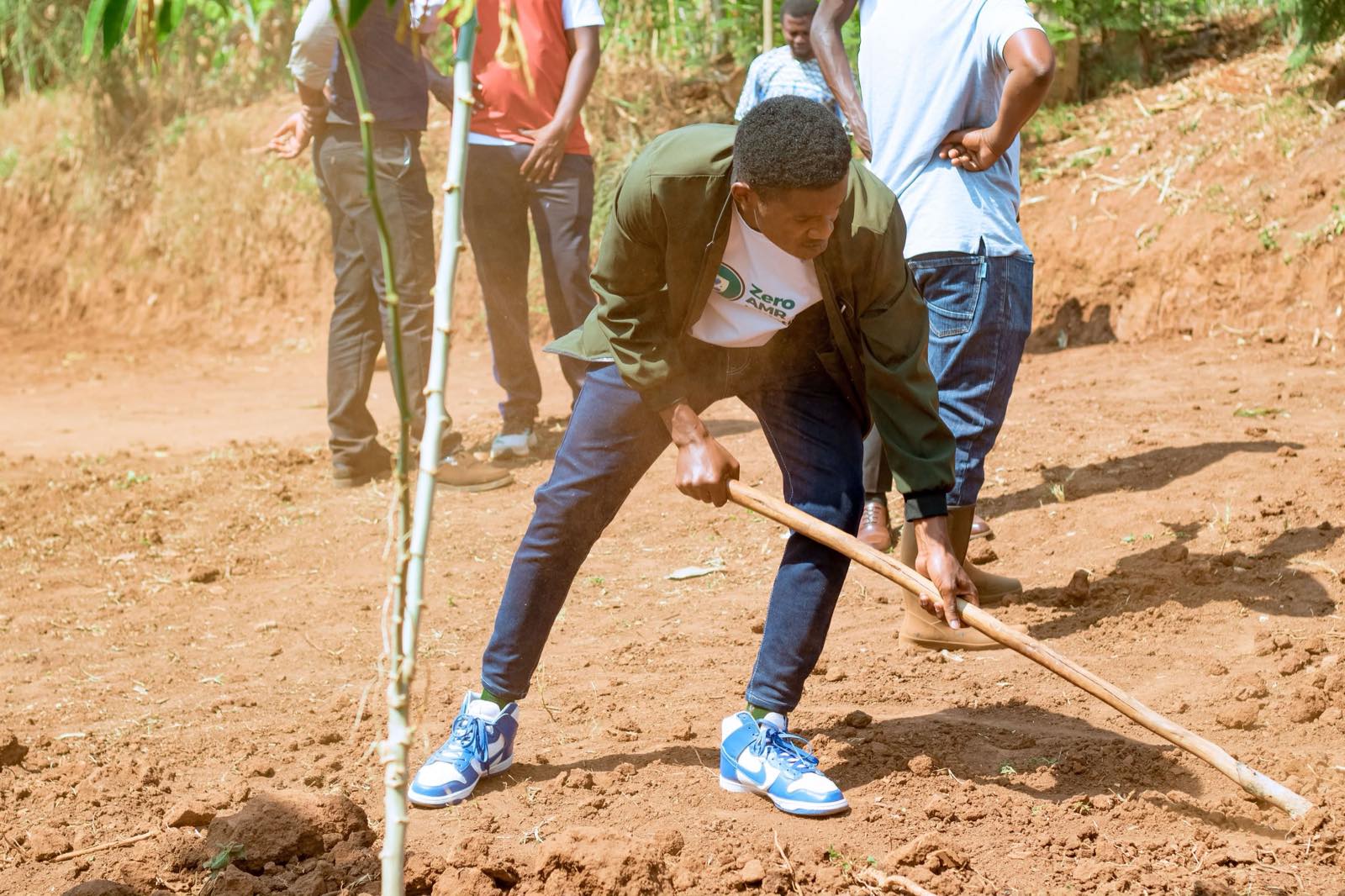
WASH training in practice
Clean water, safe sanitation and good hygiene are fundamental to preventing disease. See how communities are putting WASH training into daily use.
Read story - Youth Leadership
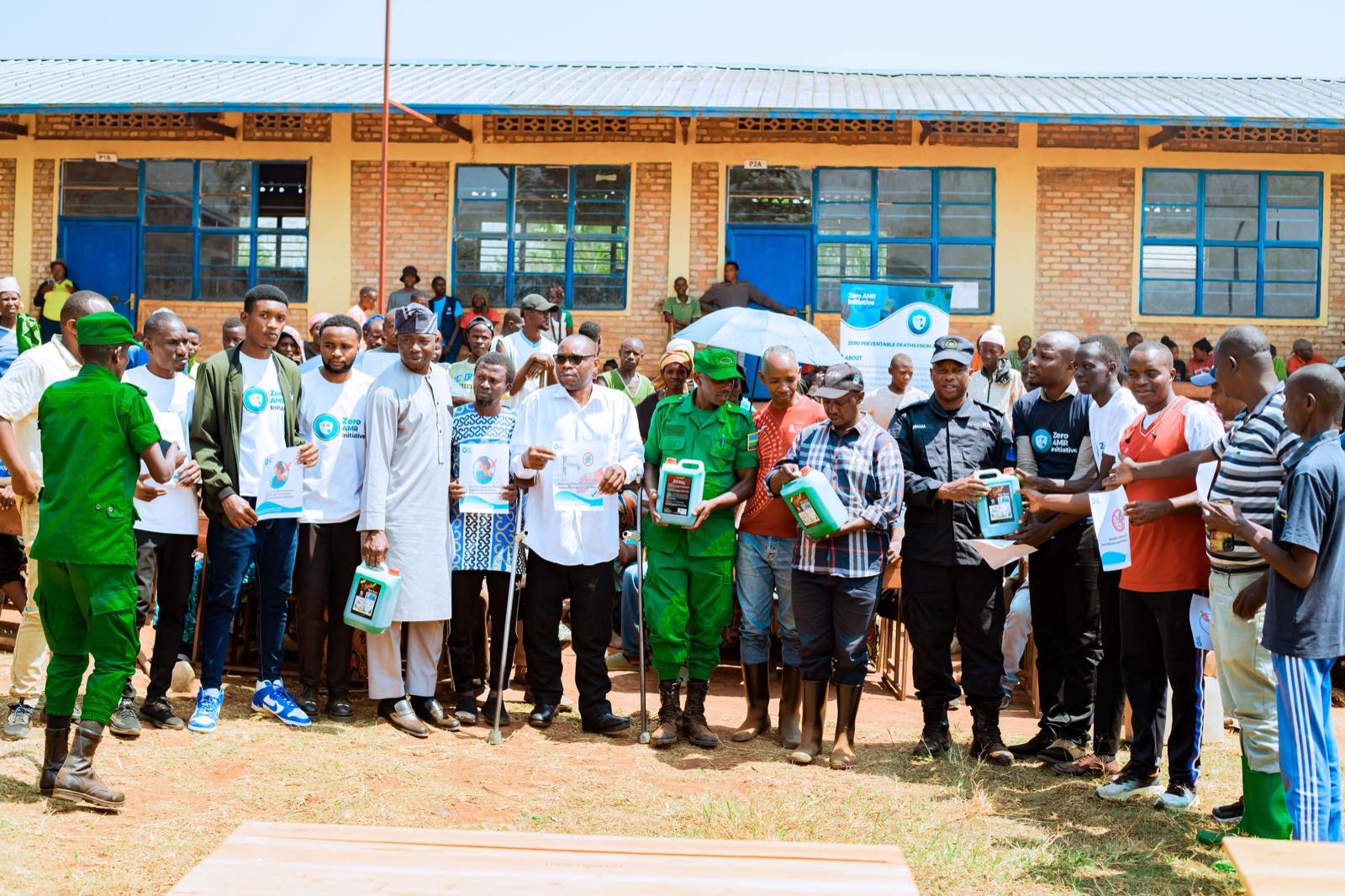
Young people leading the conversation
In schools and community spaces, young people are shaping conversations, generating ideas and leading solutions within their own communities.
Read story
AMR is already here. Action cannot wait.
Whether you are a student, health professional, community member, institution, organization, funder or policymaker, you can be part of preventing antimicrobial resistance.
One action can start a conversation. One conversation can change a behaviour. One behaviour can prevent an infection. Collectively, those actions can protect lives.